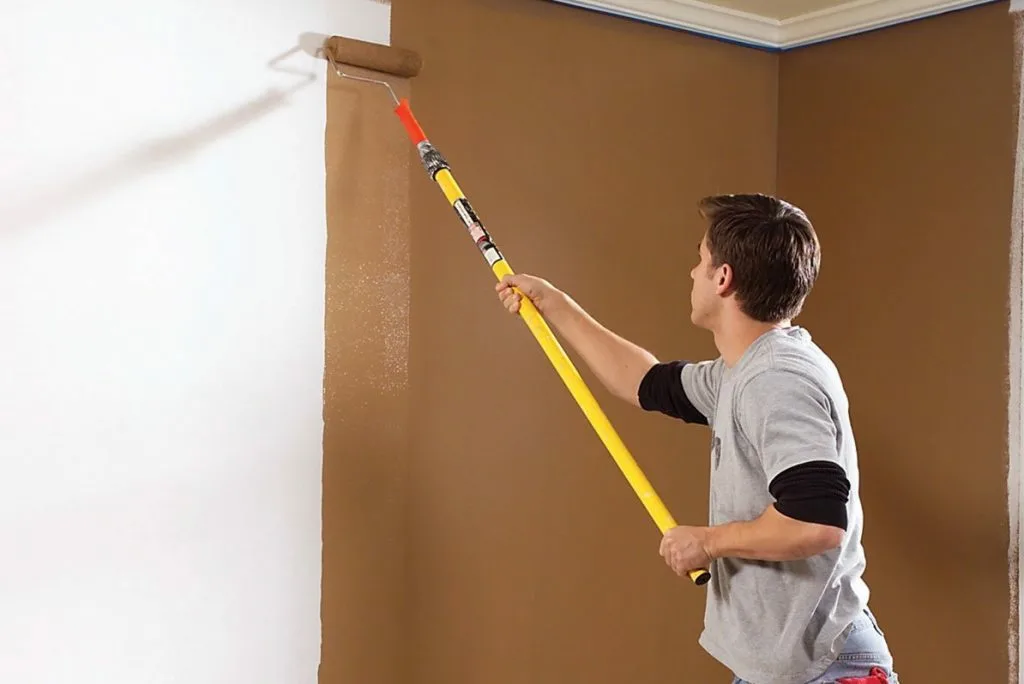
Most people think the paint is what makes a room look great. In practice, the preparation does most of the work. Walls that are clean, smooth and properly primed take color evenly and hold up for years, while walls that were painted over dust, holes and grease show every flaw and tend to peel sooner. A little planning before painting day makes the result better and the disruption smaller.
Start with the room itself. Move small items, decor, curtains and anything fragile out of the space. Furniture that is too heavy to carry can be pulled toward the center of the room and covered with plastic or drop cloths, which leaves a clear path along the walls. Take pictures and mirrors down, and remove outlet covers if you can. If you would rather not do the lifting, tell your painter ahead of time so it can be planned into the job.
Next comes the wall surface, which is where most of the real work happens. Nail holes, dents, scuffs and small cracks need to be filled, dried, sanded and spot primed so they do not show through the finish. Larger damage, like a bigger hole or a water stain, may need drywall repair before any paint goes on. Walls in kitchens and bathrooms often carry a thin layer of grease or moisture film, and paint does not stick well to it, so those areas should be washed and allowed to dry completely.
Priming is worth understanding because it is often skipped in cost-cutting conversations. New drywall, patched areas, stains, and big color changes usually need primer. Going from a dark wall to a light one, for example, takes far fewer coats with a good primer underneath. If your walls were painted recently, in good shape, and you are staying in a similar color, you may not need a full coat of primer. A painter can look at the walls and tell you honestly which situation you are in.
Choosing a sheen is the decision that surprises people most. Flat and matte finishes hide bumps and imperfections, so they suit ceilings and low-traffic living areas, but they scuff and wipe clean less easily. Eggshell and satin are a common middle ground for bedrooms, hallways and living rooms. Semi-gloss stands up to moisture and scrubbing, which is why it is popular on trim, doors, kitchens and bathrooms. Higher sheens also make surface flaws more visible, which is one more reason good prep matters.
Ventilation and timing matter more than most people expect. Keep windows open when the weather allows, run a fan, and plan for paint to need time to dry between coats. Drying times depend on the product, the humidity and the temperature, so it helps to ask your painter for a realistic window instead of expecting a fixed schedule. Plan where pets and children will stay, and expect some rooms to be off limits for a day or more while the paint cures and the smell fades.
It also helps to know who does what. A painter typically handles surface prep, patching, sanding, taping, covering floors, priming and painting, along with cleanup at the end. You handle the bigger decisions: colors, sheen, and which rooms and trim are included. If you want ceilings, closets, doors or baseboards painted too, say so during the estimate, because it changes the scope. Testing a color with a sample on the wall and looking at it in morning and evening light can save you from a repaint.
One important point for older homes: houses built before 1978 may contain lead-based paint. Sanding or scraping it can create hazardous dust, so if your home falls in that range, tell your contractor before any prep begins. Safe handling may involve different methods and extra precautions, and it is especially important if children or anyone who is pregnant lives in the home. When in doubt, ask questions and get the details in writing before work starts.
Thinking about painting one room or the whole house? Call (283) 224-0969 for a free estimate. You also get 10% off your next painting project.