Drywall damage looks alarming, but a lot of it is simpler to fix than it appears. A doorknob dent, a picture hook gone wrong, a crack over a door frame, or a water stain on a ceiling can all be repaired so that the wall looks untouched. The key is knowing how deep the problem goes, because that decides whether a patch will do or whether a section of the sheet needs to be replaced.
Small holes are the easy case. Nail holes and dents up to about the size of a coin can be filled with joint compound, left to dry, sanded smooth and spot primed. Slightly larger holes, such as ones left by a door handle, can be covered with a self-adhesive mesh patch and then built up in thin layers of compound. Thin layers matter more than speed, because thick coats crack and shrink as they dry.
Bigger holes call for a proper patch. When damage is larger than a hand or the paper face is torn away, the usual method is to cut out a clean square, add support behind it if needed, and fit a piece of new drywall into the opening. The joints are then taped and finished with several coats of compound, feathered out wide so the repair blends into the wall instead of showing as a bump.
Cracks need a little detective work. Hairline cracks near corners, doors and windows often come from seasonal movement in the house, and they can be cut open slightly, taped and refinished. If the same crack keeps returning, or if it is wide and runs across a wall or ceiling, there may be movement or a structural cause behind it, and that should be looked at before repairing again. Tape joints that have lifted or bubbled usually need to be cut out, re-taped and re-finished.
Water damage is where replacement becomes more likely. Drywall that is soft, sagging, crumbling or discolored has absorbed moisture, and it will not regain its strength once it dries. Patching over it hides the problem for a while, but it can come back. If there is any sign of mold or a musty smell, treat it seriously and have the area checked before covering anything up.
The most important rule with moisture is to find the source first. A ceiling stain might come from a roof leak, a plumbing line, a bathroom above, or condensation, and repairing the surface before stopping the leak only means doing the repair twice. Once the source is fixed and the area has fully dried, the damaged section can be cut out and replaced with new drywall, and any insulation behind it can be checked at the same time.
Texture is the detail that gives away a patch. Older homes in the area often have orange peel, knockdown or other textures, and a smooth patch on a textured wall is easy to spot. Matching it takes practice: the right compound consistency, spray or trowel technique, and some testing on scrap material first. Perfect matching is not always possible on older or heavily layered textures, so a good contractor will tell you honestly what to expect.
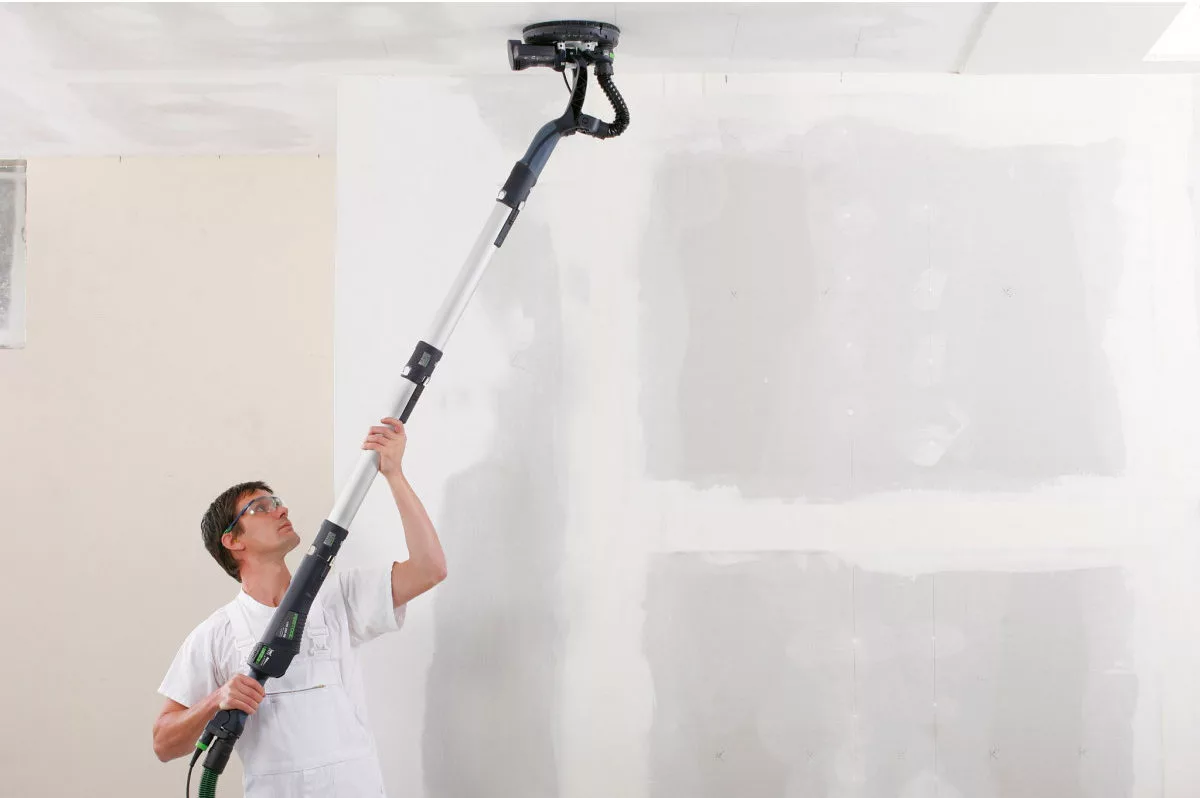
The finish decides how the repair looks in the end. A patch has to be sanded smooth, primed, and then painted, and skipping the primer often leaves dull spots called flashing where the compound absorbs paint differently. Repainting the whole wall, from corner to corner, usually hides the repair better than dabbing color on one spot, especially when the existing paint has aged. It is one reason drywall and painting often go together.
Have a hole, crack or stain you want fixed and painted so it disappears? Call (283) 224-0969 for a free estimate. You also get 10% off your next painting project.